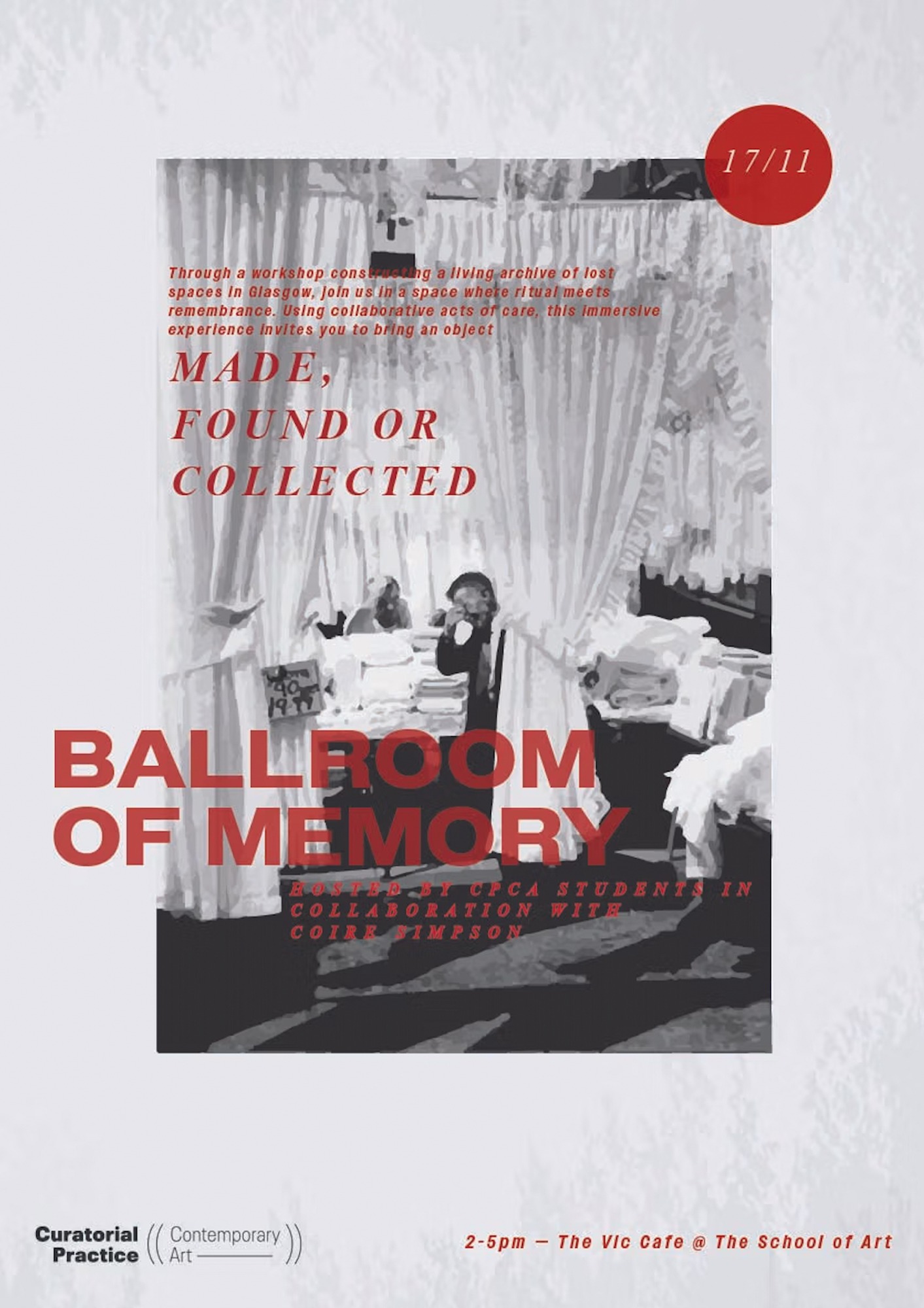
Ballroom of Memory
What happens when a city forgets?
What do we carry when the places that shaped us vanish?
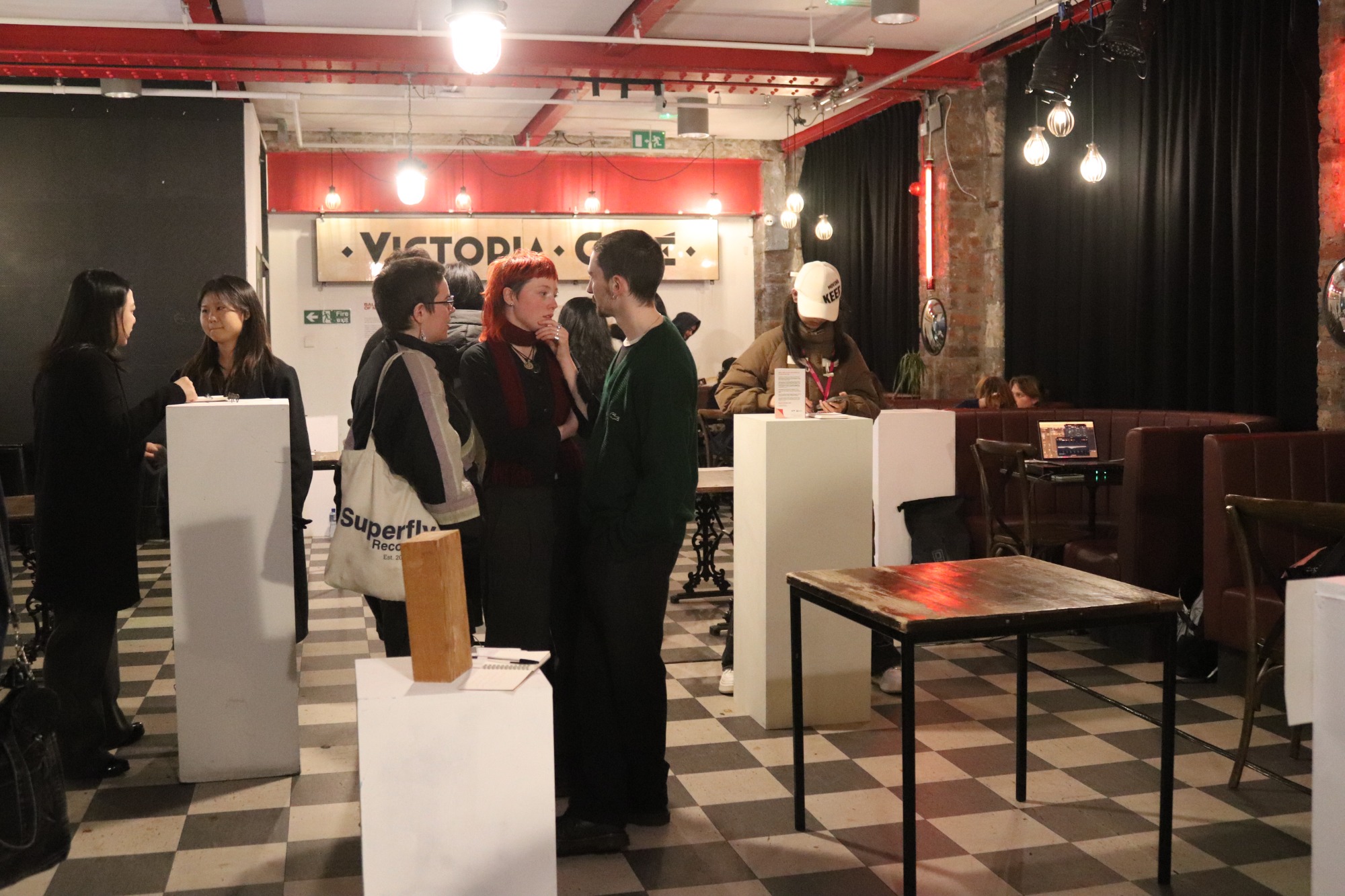
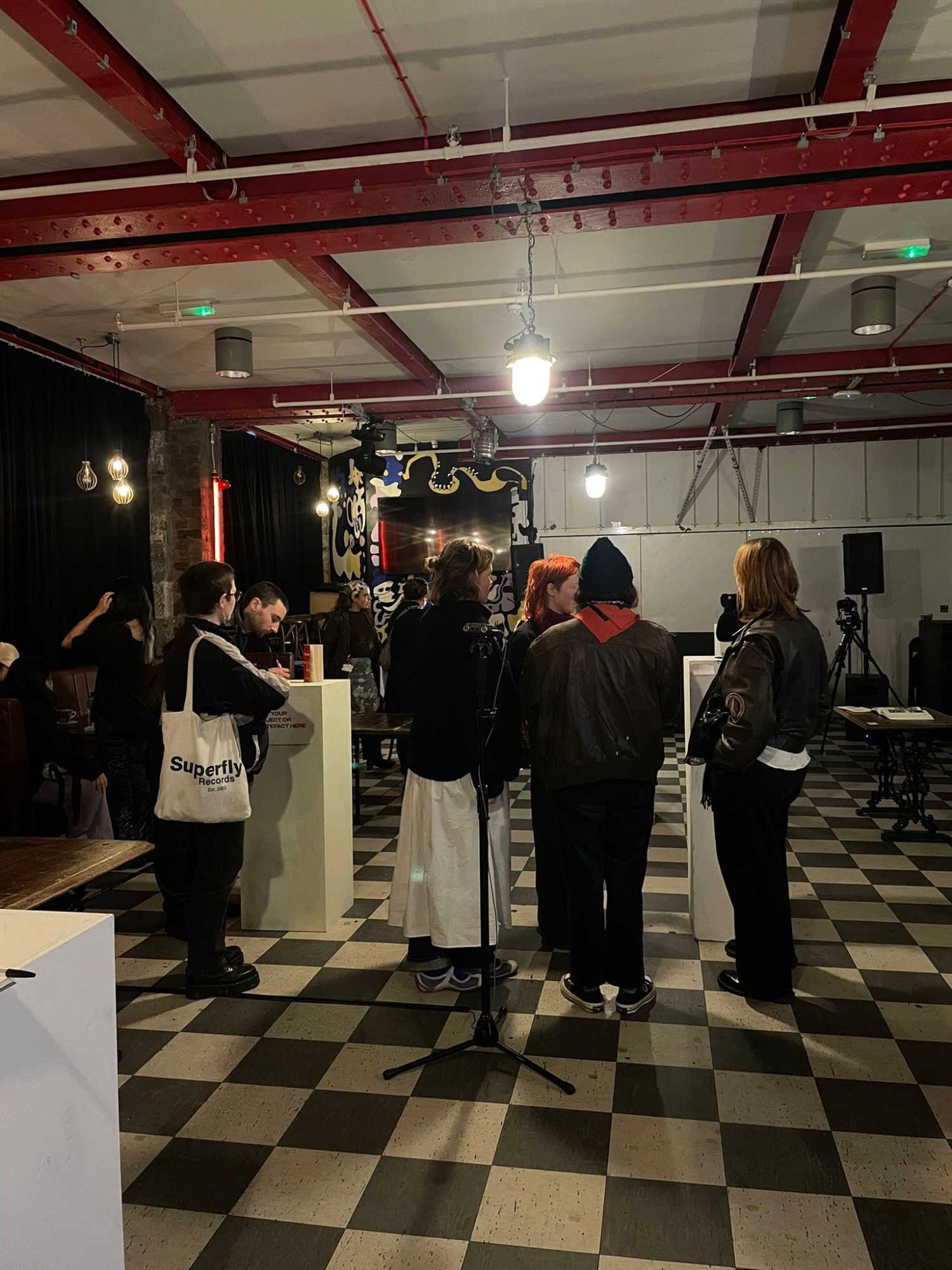
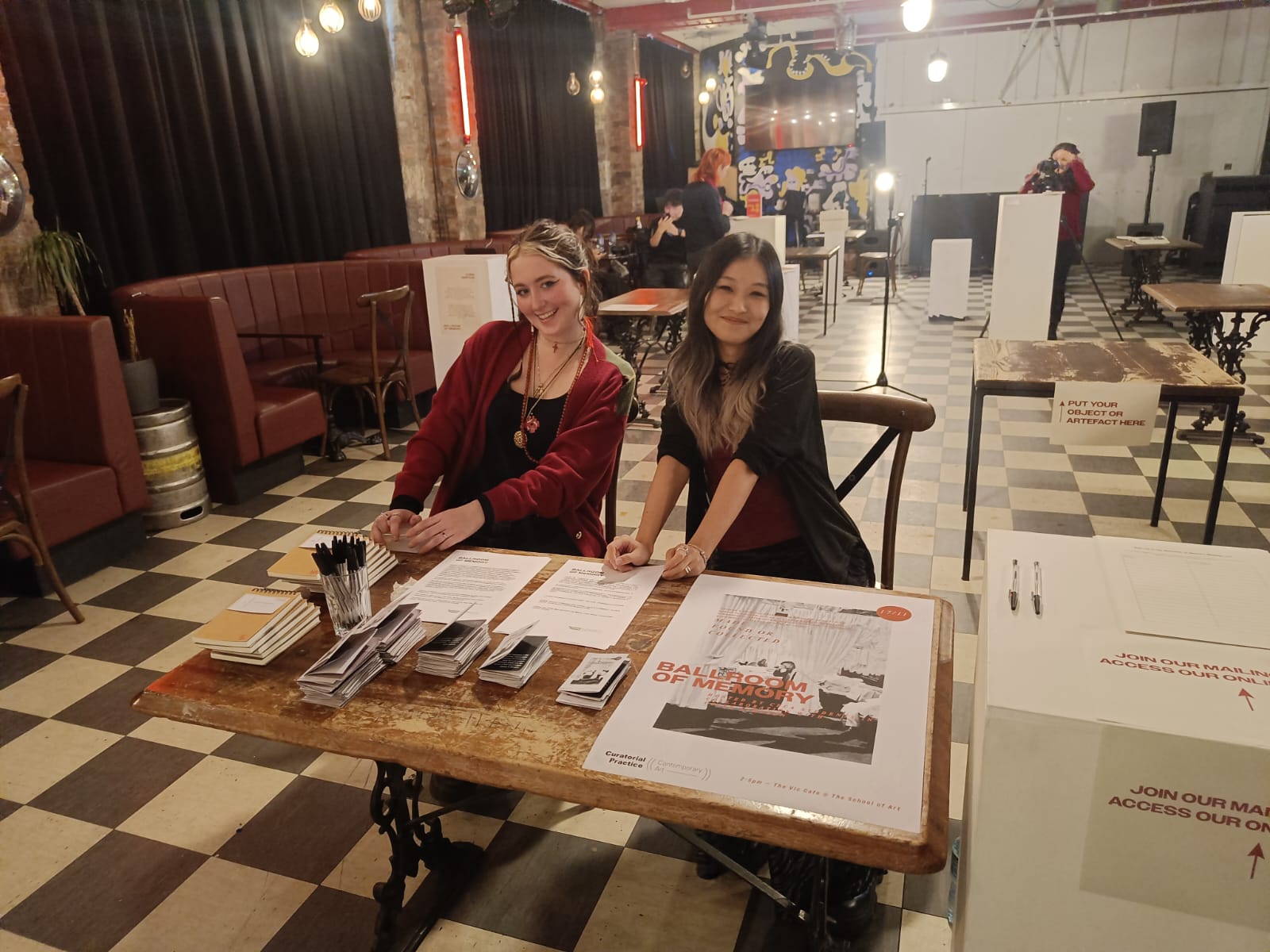
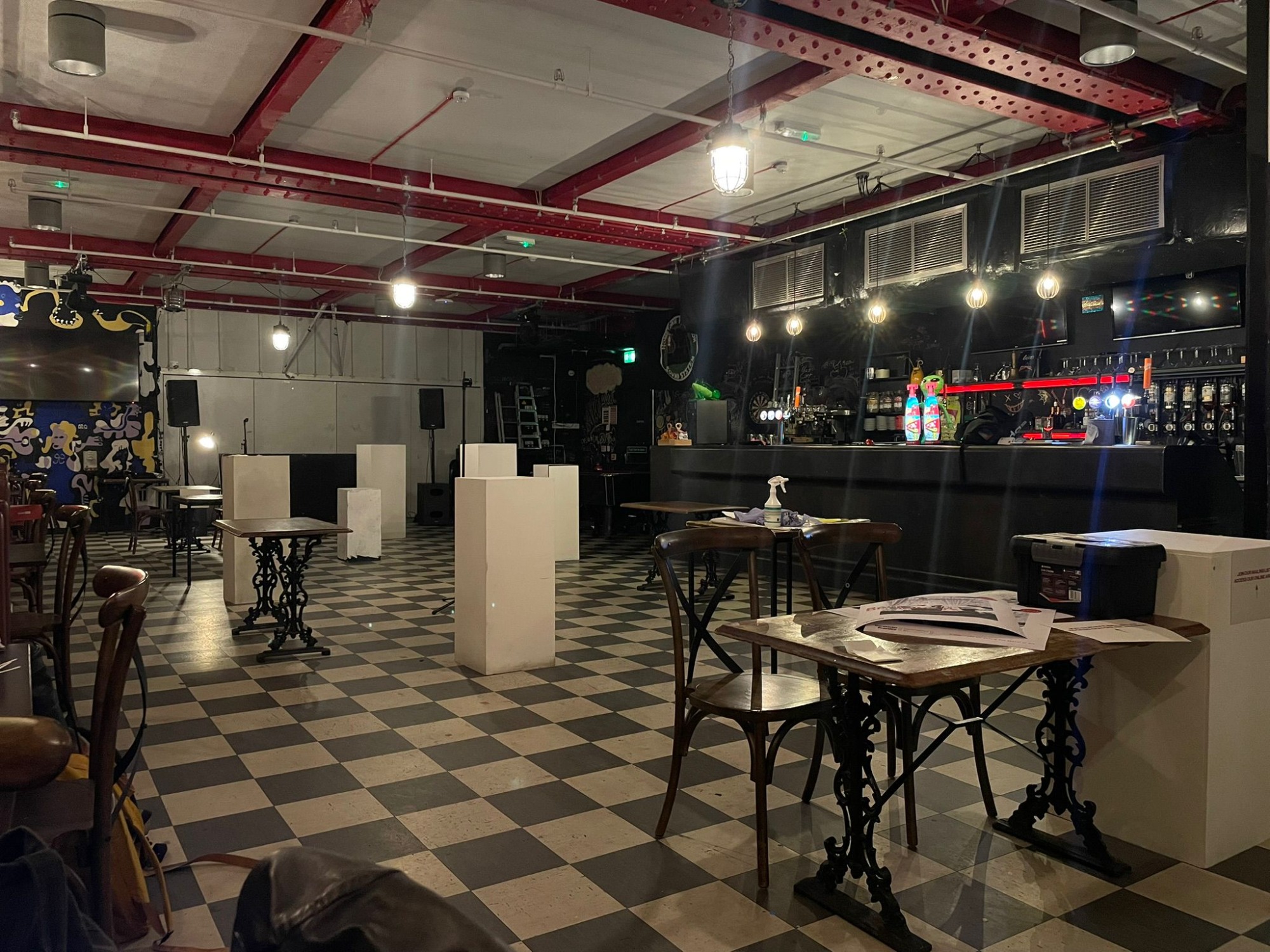
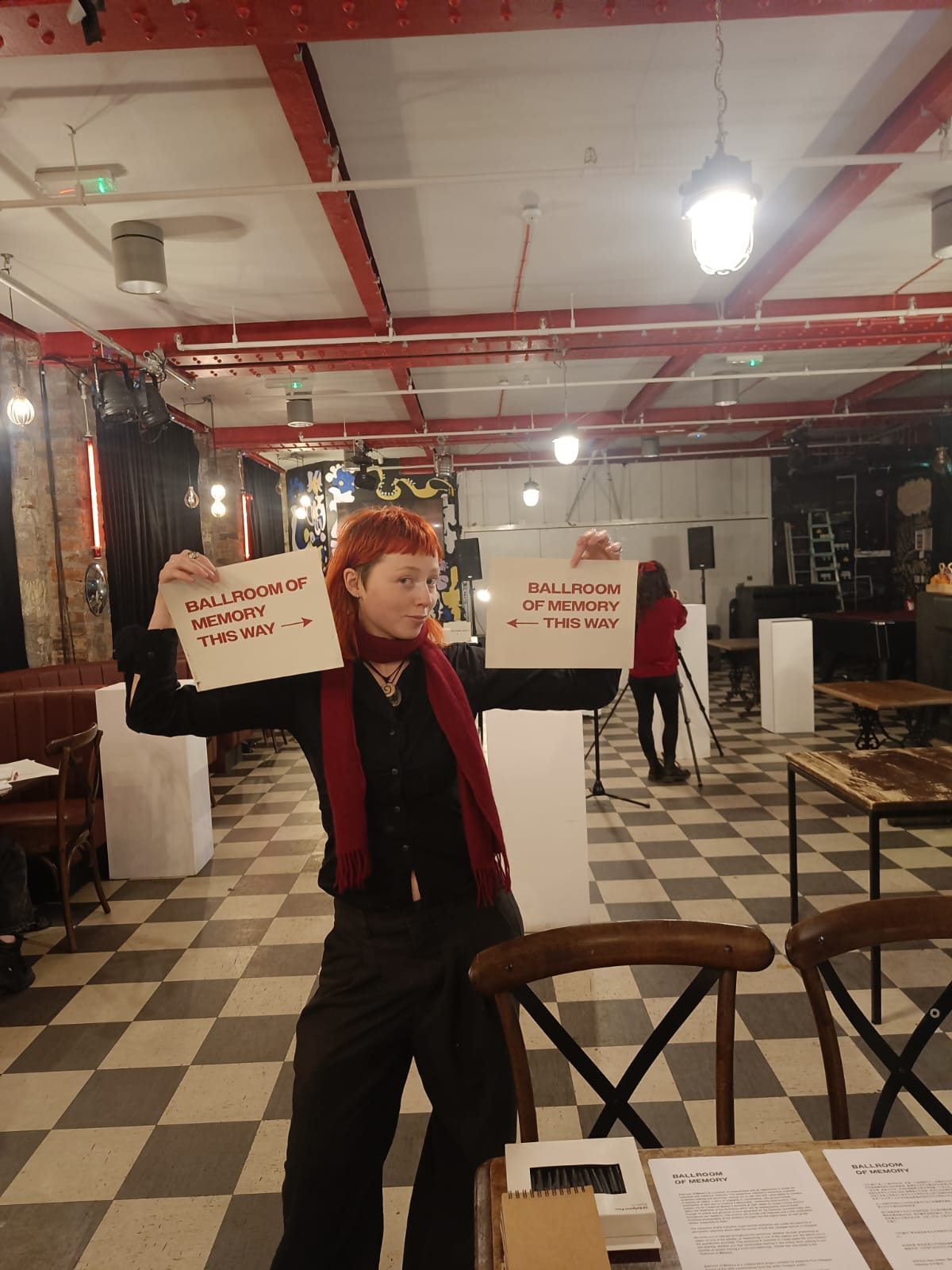
In Ballroom of Memory, visitors were invited to build a collective act of remembrance. Together, we have gathered, arranged, and witnessed the everyday relics of spaces now lost - displaced by demolition, gentrification, or the slow fade of time.
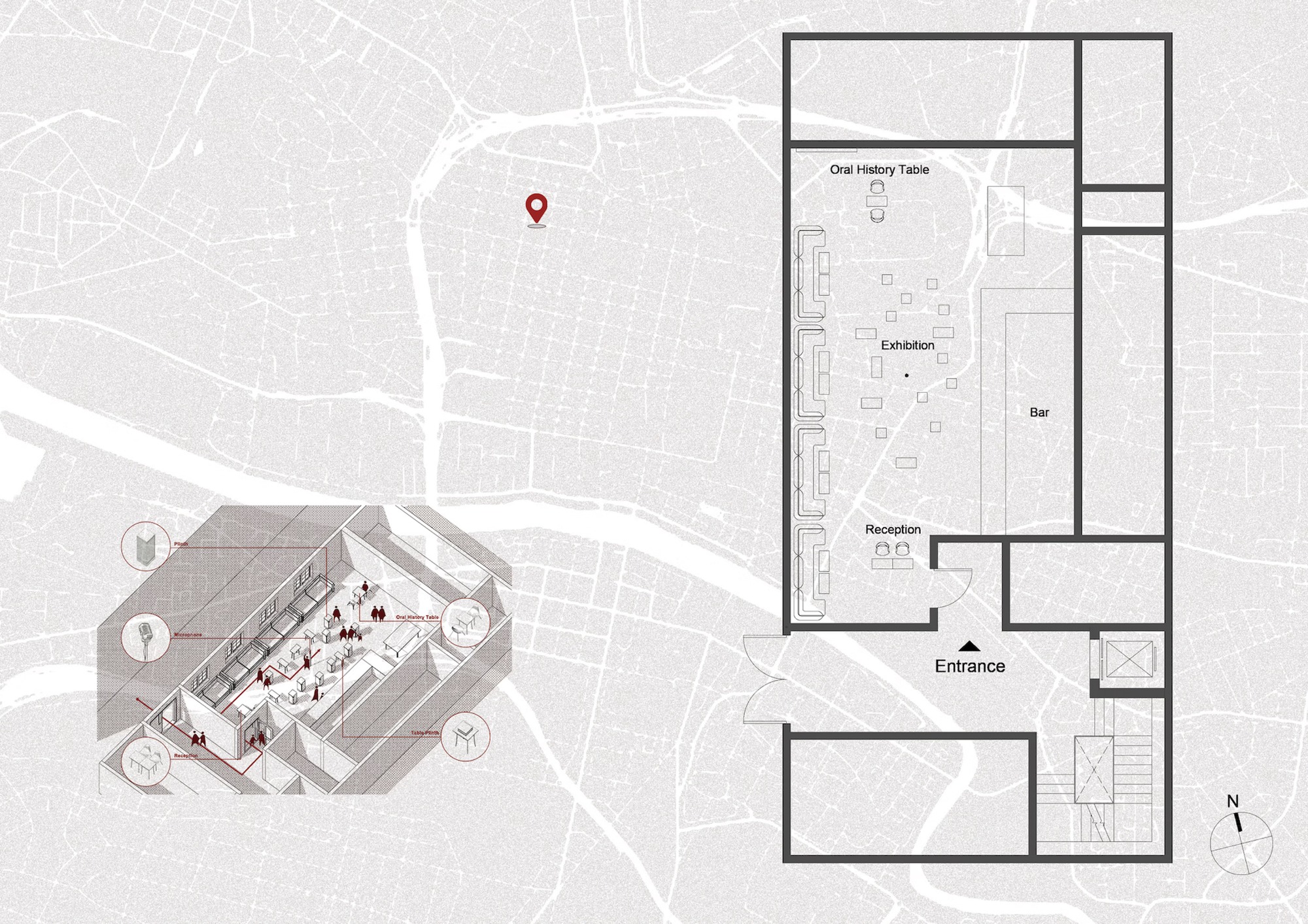
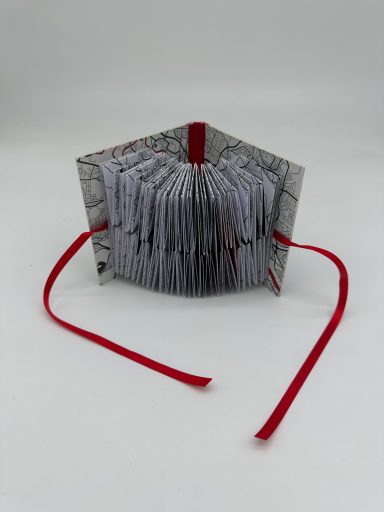
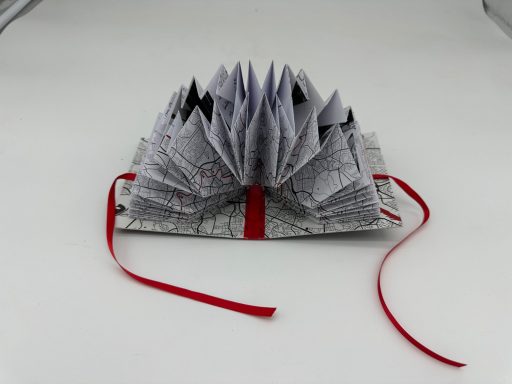
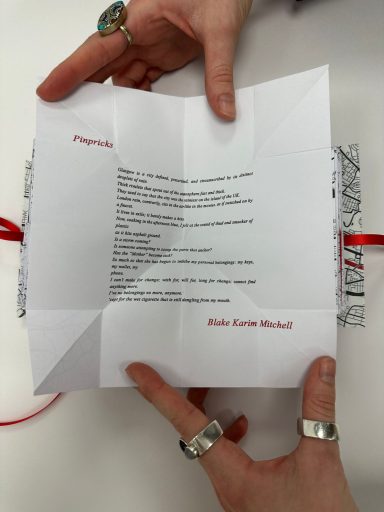
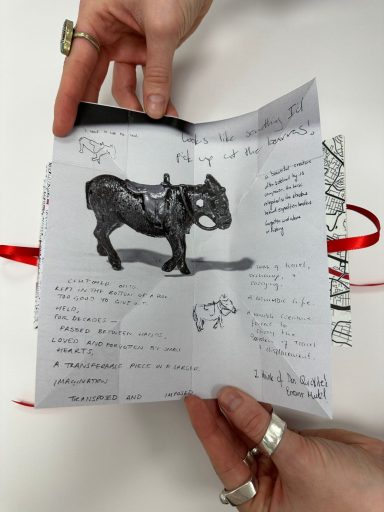
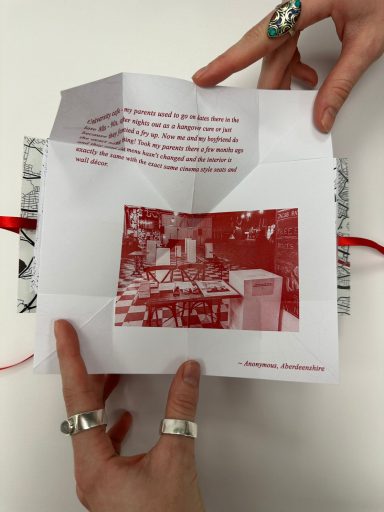
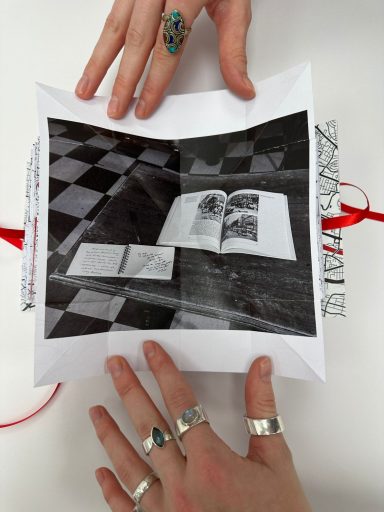
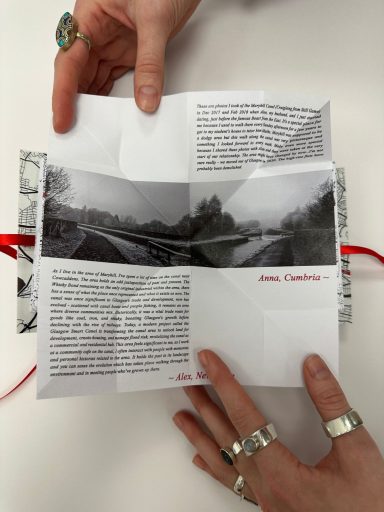
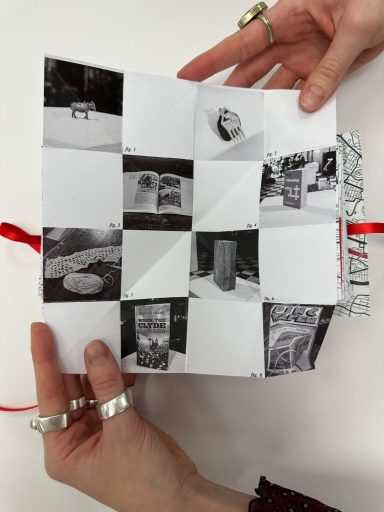
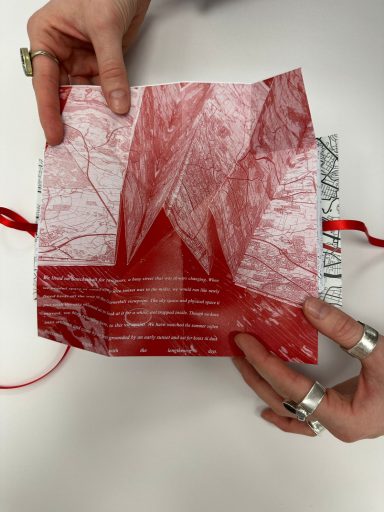
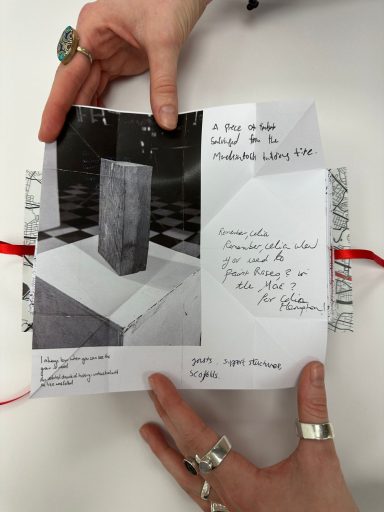
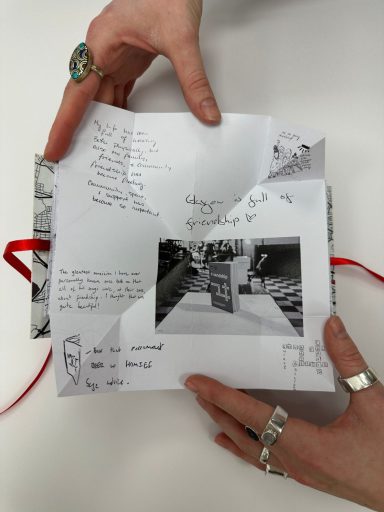
Through both an open-call, and collaborative exhibition, members of the public have brought objects, photographs, writings, and artworks that connect to memories of Glasgow's vanishing places. These objects have then been photographed and documented alongside written or spoken context, and collated here.
Ballroom of Memory draws on the Barrowland Ballroom as a site of social memory and the past. Originally built for community use and tied to the Barras market, it served as a social hub until a fire in 1958. Rebuilt in 1960, it retained routine and remained a local meeting point, but its use shifted. In the 1970s and 1980s, the space moved toward live, programmed events - less participatory, more audience-based. Gatherings which were once circular and cross-community, became ticketed and front-facing. Though still a central and iconic Glasgow venue, its social function has permanently changed.
As Glasgow's built environment changes, we are witnessing an urgent need to remember what came before. This project arises from a moment of cultural and spatial crisis - a recognition that memories are being lost not just physically, but socially and emotionally. From the vanished neighbourhoods beneath the M8 motorway, to high-rises in Sighthill and Yoker and the intimate dance floors of the Barrowland Ballroom - this archive gathers fragments of histories too often overlooked, mishandled, or erased. What emerges from these interlinked histories is a pattern of state-sanctioned forgetting, tied to ideologies of progress that erase working-class and diasporic histories. Whether through motorway construction, slum clearance, or housing policy, Glasgow's most vulnerable populations have repeatedly been dispossessed of place, memory, and future. These lost spaces' are the echoes of communities displaced, stories unrecorded, and histories deliberately obscured.
This is not a traditional archive. This is a ritual of care - a democratic, participatory archive that resists erasure.
Ballroom of Memory is a collaborative project initiated by students from Glasgow School of Art, with contributions from the wider Glasgow public.
With thanks to: GSA Archives, GSA staff and the MLitt Curatorial tutors. Special thanks to Coire Simpson, responsible for the sound installation.
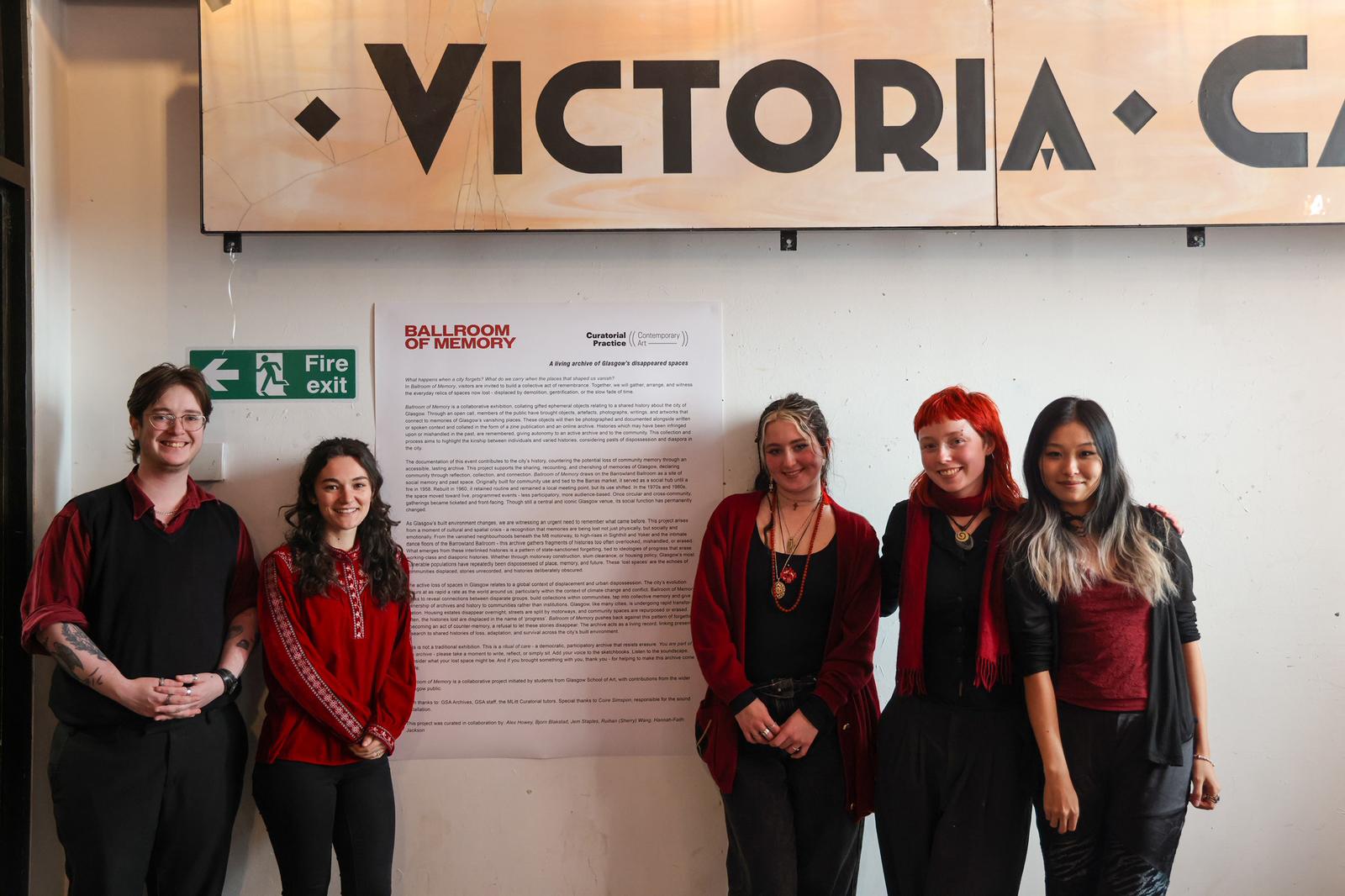
Curated by:
Alex Howey
Jem Staples
Bjorn Blakstad
Ruihan (Sherry) Wang
Hannah Faith Jackson